

In this article we are going to discuss about a brief history of Israel-Palestine Conflict.
Once upon a time, in a land steeped in history, two peoples, the Israelis and the Palestinians, shared a land that held great significance for both. This is the story of their enduring conflict, a story of pain, loss, and hope for a better future.
Chapter 1: The Roots of the Conflict In the early 20th century, the region known as Palestine was under Ottoman rule. As World War I came to an end, the British took control of Palestine, leading to increased Jewish immigration. Tensions began to rise between the Jewish and Arab populations as both sought self-determination.
Chapter 2: The Birth of Israel In 1947, the United Nations proposed a plan to partition Palestine into separate Jewish and Arab states, with Jerusalem under international administration. The plan was accepted by the Jews but rejected by the Arab states. On May 14, 1948, David Ben-Gurion declared the establishment of the State of Israel, leading to a war with neighboring Arab nations.
Chapter 3: The Exodus and Refugees The war resulted in a large exodus of Palestinian Arabs, who fled or were expelled from their homes. This led to a Palestinian refugee crisis that persists to this day. The conflict deepened as both sides laid claim to the land.
Chapter 4: Wars and Occupations Over the years, several wars and conflicts further strained relations between Israel and the Palestinians. In 1967, Israel occupied the West Bank, Gaza Strip, and East Jerusalem during the Six-Day War, leading to the displacement of more Palestinians.
Chapter 5: Intifadas and Negotiations The late 20th century saw a series of uprisings known as Intifadas, with Palestinians protesting against Israeli occupation. Meanwhile, peace negotiations and agreements, such as the Oslo Accords, offered glimpses of hope but often ended in disappointment.
Chapter 6: The Gaza Strip and West Bank The Gaza Strip, controlled by the militant group Hamas, faced a blockade by Israel, while the West Bank remained under Israeli military occupation. Settlements in the West Bank continued to expand, creating tension and complicating peace efforts.
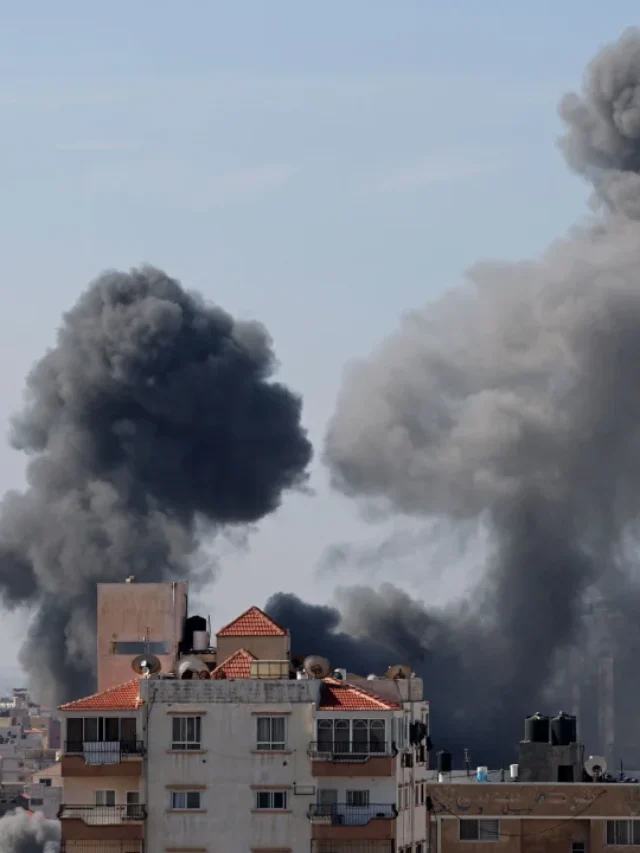
Chapter 7: The Gaza Wars Periodic conflicts erupted in the Gaza Strip, with Israel launching military operations against Hamas and other militant groups. These wars resulted in casualties on both sides and garnered international attention and condemnation.
Chapter 8: International Diplomacy Numerous international efforts, including the United Nations, the United States, and the European Union, have attempted to broker peace between Israelis and Palestinians. However, lasting solutions remained elusive.
Chapter 9: Voices of Peace Throughout the conflict, there have been individuals and organizations on both sides working tirelessly for peace. These include peace activists, non-governmental organizations, and grassroots movements dedicated to dialogue and reconciliation.
Chapter 10: Hope for a Better Future As the conflict persists, there are still voices on both sides who believe in a peaceful resolution. They envision a future where Israelis and Palestinians can coexist, share the land, and build a prosperous and harmonious society.
In this ongoing narrative of the Israel-Palestine conflict, there are no easy solutions, only complex histories, and deeply held beliefs. Yet, as long as there are individuals and communities striving for peace and understanding, there remains hope that one day, the echoes of the past will be replaced by the promise of a brighter future in the land they both call home.